
Back to all guides

Choosing & Living With AI

What Should I Compare Before Choosing an AI Companion App, AI Friend, or Physical AI Companion Device?

A practical buyer’s guide to comparing AI companion apps, AI friends, and physical devices across conversation, memory, privacy, safety, cost, and daily fit.

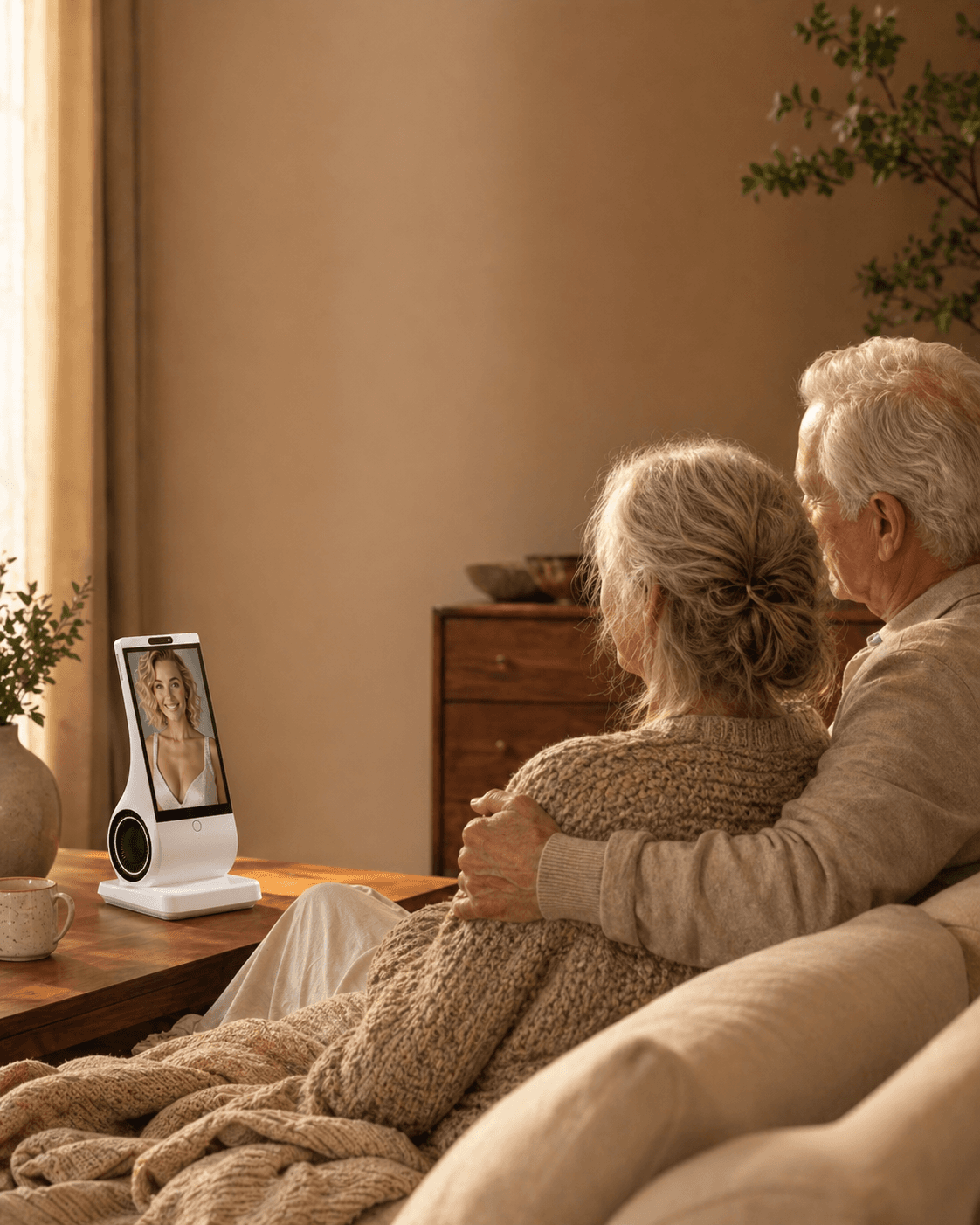
AI companion app, personalized AI friend, and physical AI companion device compared in a home setting

Direct answer: Before choosing an AI companion, compare the role you want it to play, how and where you will use it, how naturally it communicates, what it remembers, how it handles personal data, what safety boundaries it follows, what it costs over time, and how easily you can leave the service.An AI companion app, an AI friend, and a physical AI companion device may sound like three versions of the same product. They are not.An AI companion app describes a software format. An AI friend describes the kind of ongoing personality or relationship experience a product is designed to create. A physical AI companion device gives that experience a dedicated place in your home.These categories can overlap. An AI friend may live inside a mobile app, while a physical device may also be designed to feel like a consistent AI friend.The most useful question is therefore not:Which category is best?It is:Which combination of format, interaction style, boundaries, and ownership model fits the role I want an AI companion to have in my life?Start by Defining the Role You Actually WantBefore comparing features, complete this sentence:I want an AI companion mainly to help me with \_\_\_\_\_\_.Your answer might be:having someone to talk with during quiet eveningspracticing a language through regular conversationexploring fictional characters or roleplaycreating a familiar voice-first routine at homereceiving reminders and light daily promptsgiving an older parent more opportunities for conversationenjoying a personalized avatar or characterspending less time typing and looking at a phoneDifferent goals lead to different products.Someone who wants private, text-heavy roleplay may prefer a mobile AI friend with extensive character controls. Someone who wants a companion to remain visible and accessible in a room may prefer dedicated hardware. Someone who only wants to experiment may be better served by a low-cost app before making a larger commitment.Do not begin with the most impressive demonstration. Begin with the job the product needs to perform.1. Compare the FormatAI Companion AppsApps are usually the easiest place to begin. They can be downloaded quickly, carried anywhere, and tested with relatively little commitment.An app may be a good fit when you value:portabilityprivate text conversationsaccess while traveling or commutinga wide range of characters or personasquick experimentationa lower upfront costThe trade-off is that the companion lives in the same environment as messages, social media, work notifications, and every other phone activity.Opening the companion may feel less like beginning a dedicated conversation and more like switching to another app.AI Friend Experiences“AI friend” describes the intended experience more than the device itself.A product presenting itself as an AI friend should be evaluated on whether it can:maintain a recognizable personalityrespond appropriately over timeremember useful contextavoid excessive repetitionpreserve clear boundaries about being an AIgive users meaningful control over the relationshipAI friend products may emphasize emotional conversation, relationship continuity, custom backstories, friendship or romantic modes, and interaction through text, voice, images, or avatars.Because these products are designed to feel personal, memory, privacy, monetization, and emotional boundaries matter at least as much as conversational intelligence.Physical AI Companion DevicesA physical AI companion device creates a dedicated place for interaction.Instead of waiting inside a phone, it may remain on a desk, bedside table, kitchen counter, or living-room shelf.Dedicated hardware may be a better fit when you value:visible presence in the homevoice-first interactionfewer phone distractionsan on-screen avatar or physical formrepeated daily routineseasier access for someone who does not enjoy typinga clearer separation between companionship and general phone useThe trade-offs may include:a higher upfront costWi-Fi and power requirementsless portabilitydevice setupshipping and return considerationswarranty and repair needsdependence on future software supportThe right format is the one that fits your daily behavior, not simply the one that appears most advanced.2. Compare How the Companion CommunicatesDo not judge conversation quality from one clever response.Test how the product performs during ordinary, repeated use.Response SpeedDoes a voice conversation flow naturally, or are the pauses long enough to become distracting?Listening AccuracyCan it understand your accent, speaking pace, sentence length, and normal background noise?ToneDoes it respond warmly without becoming exaggerated, manipulative, overly agreeable, or emotionally intense?ConsistencyDoes its personality remain recognizable across several conversations?InitiativeDoes it know when to ask a relevant follow-up question and when to let the conversation end?RepetitionDoes it begin recycling the same phrases, stories, or questions after several days?TransparencyDoes it remain clear that it is an AI rather than pretending to be a human being?The best interface depends on your routine.Text may be best for private reflection and roleplay. Voice may feel more natural during meals, mornings, or evenings. An avatar may add visual familiarity. A physical device may make conversation easier to begin without deliberately opening an app.Choose the interaction mode you will actually use, not the one that looks most impressive in a product video.3. Compare Memory Quality and Memory Control“Long-term memory” is one of the most common AI companion promises, but the phrase alone does not tell you whether the memory is useful.A companion’s memory should not be judged only by how much information it stores. Compare how well it works across five areas.1. AccuracyDoes it remember names, preferences, routines, relationships, and previous conversations correctly?Incorrect memories may be more frustrating than forgotten details, especially when the companion repeats them with confidence.2. RelevanceDoes it retain useful context, or does it focus on random and unimportant details?Good memory should make future conversations feel more personal without making every interaction feel overloaded by old information.3. ContinuityDoes it use remembered information naturally in later conversations?A companion should be able to refer back to relevant details without repeating them awkwardly or bringing them up when they do not fit the current discussion.4. CorrectionCan you correct something the companion remembered incorrectly?Look for controls that let you update names, preferences, relationships, routines, and other stored information.5. DeletionCan you remove an individual memory, clear a group of memories, or delete everything?You should understand what is deleted, how deletion works, and whether anything remains after you close the account.More Memory Is Not Always BetterA companion that remembers every detail may feel impressive at first, but extensive memory can become uncomfortable when sensitive information is stored without clear controls.Before sharing deeply personal information, find out:what becomes long-term memorywhether stored memories can be reviewedwhether inaccurate memories can be correctedwhether individual memories can be deletedwhether all memory can be clearedwhether memory can be disabledwhat remains after account deletionwhat happens when a subscription expiresA good memory system should feel more like a notebook you control than an invisible personal record.4. Compare Privacy by Data TypeDo not stop at marketing statements such as “privacy-first” or “your conversations are secure.”Break privacy down into specific categories.Ask what happens to:typed conversationsconversation audiovoice samplesuploaded photographsgenerated avatarspersonality settingslong-term memoriesaccount informationpayment informationdevice and diagnostic datageneral usage informationFor each category, ask:Is the data stored?Why is it collected?How long is it retained?Is it used to train or improve models?Can model-improvement use be disabled?Is the data shared with service providers?Can the user review it?Can the user delete it?What is removed when the account is deleted?Can other people in the household access it?A physical device is not automatically more private than an app.A device may not include a camera but may still process voice and conversational information. An app may remain on a personal phone but encourage users to disclose highly sensitive information.Compare the actual data flow, controls, and deletion rules rather than assuming one format is safer.5. Compare Emotional, Age, Medical, and Crisis BoundariesAI companions are designed to communicate in ways that can feel socially meaningful. That makes clear boundaries essential.Consumer-protection and child-safety organizations have raised questions about how companion products handle safety testing, age restrictions, data use, disclosures, monetization, and the potential effects of highly relational AI on children and teenagers.Before choosing a product, check:the intended age rangewhether age verification is usedwhether adult or romantic content is availablewhether minors can access inappropriate charactershow the companion responds to self-harm or crisis statementswhether it presents itself as therapy or medical supportwhether it encourages emotional dependencewhether it discourages contact with friends, family, or professionalswhether medical and emergency limitations are clearly statedwhether appropriate parent or caregiver controls existAn AI companion can support conversation, reflection, entertainment, and routine.It should not be treated as a substitute for:emergency serviceslicensed therapymedical treatmentprofessional caregivingfall detectioncrisis interventionhuman consentreal-world relationshipsWhen buying for someone else, involve that person in the decision whenever possible.A companion should not be introduced as hidden monitoring technology, and it should not be presented as a human being.6. Compare the Complete CostAn app may be free to download while placing voice, memory, images, stronger models, or longer conversations behind a subscription.A physical device may cost more upfront while including more of the ongoing experience.Calculate the estimated 12-month cost using:Hardware price + subscription fees + usage credits + shipping + accessories + expected support costsAsk each company:What works without a subscription?Are voice conversations limited?Is long-term memory included?Are stronger models limited to premium plans?Are personalized voices or avatars included?Are image generation or additional characters charged separately?What happens after a free trial?What happens when Premium expires?Can prices change while the service retains your memories?Can you continue using the companion after cancelling?Can you export or delete your data before leaving?This matters more for an AI companion than for an ordinary productivity tool.When a product builds continuity and familiarity, losing a personality, voice, avatar, or memory may feel more significant than losing access to a normal software feature.7. Compare Reliability, Ownership, and Exit ControlBefore becoming attached to a companion, understand both how reliably it works and how easily you can leave.For an AppCheck:cancellation stepsaccount deletionmemory deletiondata exportapp-store availabilityregional availabilityservice uptimecustomer supportthe company’s history of changing or removing characterswhat happens if a feature is discontinuedFor Physical HardwareAlso check:the return periodwarranty lengthrepair or replacement procedurescustomer-support channelsshipping regionspower requirementsbattery limitationsWi-Fi dependenceoffline functionalitysoftware-update policywhat happens if the company eventually stops supporting the deviceGood exit control is not a negative feature.It is evidence that the experience remains voluntary and that the user retains meaningful control.8. Compare How the Product Fits Everyday LifeThe final decision should be based on daily behavior, not a feature checklist alone.Imagine the first seven days.Where will the companion be used? At what time? Will you type, speak, or look at an avatar? Will other people be nearby? Will phone notifications interrupt the experience? Can the intended user complete setup without help? Is the voice still pleasant after repeated conversations?A useful trial should include:an ordinary morning conversationa conversation after a long or difficult dayone reminder or routine prompta memory test after several daysa review of privacy and deletion settingsuse in the actual room or environmenta longer conversation rather than only short questionsone day without using it, to see whether the habit still feels balancedAt the end of the test, ask:Did it perform the role I originally defined?Did it improve my routine?Did it remember accurately?Did it become repetitive?Did I share more personal information than expected?Did I understand the privacy controls?Did I understand the full cost?Did it support rather than discourage human connection?Would I still choose it after the novelty faded?A Simple AI Companion Comparison ScorecardRate each product from 1 to 5 in every category:1 — Poor or unclear2 — Below expectations3 — Acceptable4 — Strong5 — Excellent1. Purpose Fit — Score: \_\_\_ / 5Does it solve the specific problem you want an AI companion to address?2. Daily Format — Score: \_\_\_ / 5Does its app, voice, avatar, or physical device fit naturally into your routine?3. Conversation — Score: \_\_\_ / 5Does the interaction remain natural, consistent, and comfortable over time?4. Memory — Score: \_\_\_ / 5Is its memory accurate, relevant, correctable, and easy to delete?5. Privacy — Score: \_\_\_ / 5Are its data collection, model training, storage, sharing, and deletion policies clear?6. Safety — Score: \_\_\_ / 5Are its emotional, age-related, medical, and crisis boundaries explicit?7. Cost — Score: \_\_\_ / 5Do you understand the complete cost of using it for 12 months?8. Reliability — Score: \_\_\_ / 5Are its connectivity requirements, support options, updates, and limitations clear?9. Exit Control — Score: \_\_\_ / 5Can you cancel, delete your data, reset the companion, or return the device without confusion?Identify Your Non-NegotiablesDo not rely only on the total score.A product with excellent conversation quality but unclear data deletion should not automatically be treated as a strong overall choice.Before comparing totals, decide which requirements are non-negotiable.For example, you may require:clear long-term memory controlsa privacy score of at least 4the ability to delete personal datano mandatory subscription for basic conversationsexplicit medical and crisis limitationsa clear cancellation or hardware return processIf a product fails one of your non-negotiable requirements, remove it from consideration before comparing the remaining scores.Where a Dedicated Device Such as Euvola FitsEuvola is designed for people who want AI companionship to occupy a dedicated place in the home rather than remain inside a general-purpose phone.The Euvola experience combines:voice-first conversationan on-screen companionpersonalized avatars and voicesshort- and long-term memoryphysical device controlsambient conversation lightinga presence sensora no-camera designThe presence sensor can detect when someone is nearby, but it is not a camera and does not capture photographs or video.The Euvola App functions as a management and customization hub. It can be used to connect and configure the device, create or select companions, adjust settings, and manage parts of the experience. Everyday voice conversation takes place through the dedicated device.At the time of publication, Euvola states that core chat, personalized voice, and long-term memory do not require an active subscription. Its official website also lists a 30-day return window, a three-year warranty, and free worldwide shipping.Euvola’s current privacy information explains that the service processes the photo and voice sample provided for personalization, as well as conversation audio and text. Original photos, voice samples, and conversation inputs are deleted after the relevant processing, while long-term memory remains available for personalization until the user deletes it. Model-improvement participation can be turned off.As with any AI companion, prospective users should review the current privacy policy, FAQ, pricing, and regional terms before purchasing, because product features and policies can change.Euvola may be worth considering when you want:a visible companion in a familiar roomvoice conversation rather than primarily typinga personalized face, voice, personality, and backstorycontinuity across repeated conversationsless dependence on phone notificationscompanionship without adding a camera to the rooma clearer separation between companionship and general phone useAn app may still be the better choice when you want:the lowest possible upfront commitmentconstant portabilityprivate, text-heavy conversationsextensive roleplaya large library of rapidly changing charactersan experience that remains entirely on your phoneEuvola also has practical limitations that should be considered.The device currently requires Wi-Fi for conversations and service access and does not provide offline chatting. It is not a medical device, therapy service, emergency calling system, fall detector, or replacement for professional care.That distinction matters.A trustworthy comparison should not try to make one product suitable for everyone. It should identify the situation in which each format makes sense.Final Checklist Before ChoosingBefore downloading an app, starting a subscription, or purchasing hardware, make sure you can answer these questions:What exact role do I want this companion to play?Do I want text, voice, an avatar, portability, or physical presence?Does the product fit naturally into my daily routine?Does the conversation remain useful after the first week?What information does it remember?Can I inspect, correct, and delete that memory?Are chats, photographs, or voice samples used for model improvement?Can model-improvement use be disabled?Are age, medical, emotional, and crisis boundaries clear?What will the product cost over a full year?What remains available if I stop paying?Can I cancel, delete, reset, or return it easily?Does the intended user understand that it is AI?Will it complement human connection rather than quietly replace it?The best AI companion is not necessarily the most human-looking, emotionally expressive, or technically complex.It is the one whose role, boundaries, format, privacy model, and long-term cost fit your real life.For people who mainly want portability and experimentation, that may be an app.For people who want a persistent character experience, it may be an AI friend platform.For people who want voice-first companionship to occupy a calm, dedicated place in the home, a physical AI companion device such as Euvola may be the more natural fit.Frequently Asked QuestionsIs a Physical AI Companion Better Than an AI Companion App?Neither format is universally better.An app is usually better for portability, low-cost experimentation, private text use, and character variety. A physical device may be better for visible home presence, voice-first interaction, repeated routines, and reducing the need to open a phone.What Is the Difference Between an AI Friend and an AI Companion App?An AI companion app describes the software format.An AI friend describes the intended experience, which may include a consistent personality, repeated conversations, and memory. An AI friend can exist inside an app or on a physical device.Do All AI Companions Have Long-Term Memory?No.Some remember only the current conversation. Others store selected facts, preferences, or a broader history of interactions.Compare memory accuracy, relevance, correction controls, deletion options, subscription limits, and what happens when the account is cancelled.Is a No-Camera AI Companion Completely Private?Not automatically.A no-camera design removes video capture, but the product may still process voice, text, device information, account details, and long-term memory.Review every data category as well as the available storage, training, sharing, retention, and deletion controls.How Long Should I Test an AI Companion Before Deciding?A single conversation is not enough.Use it across several days and different situations. Test short and long conversations, memory, voice quality, interruptions, privacy settings, and how it fits into your actual routine.Can an AI Companion Replace Therapy or Caregiving?No.An AI companion may provide conversation, entertainment, reminders, or routine support, but it should not replace therapy, medical treatment, professional caregiving, crisis services, fall detection, or emergency assistance.

Continue reading

Considering EUVOLA?

See the product details before you choose.

View FAQs
AI Companion App vs AI Friend vs Device: What to Compare